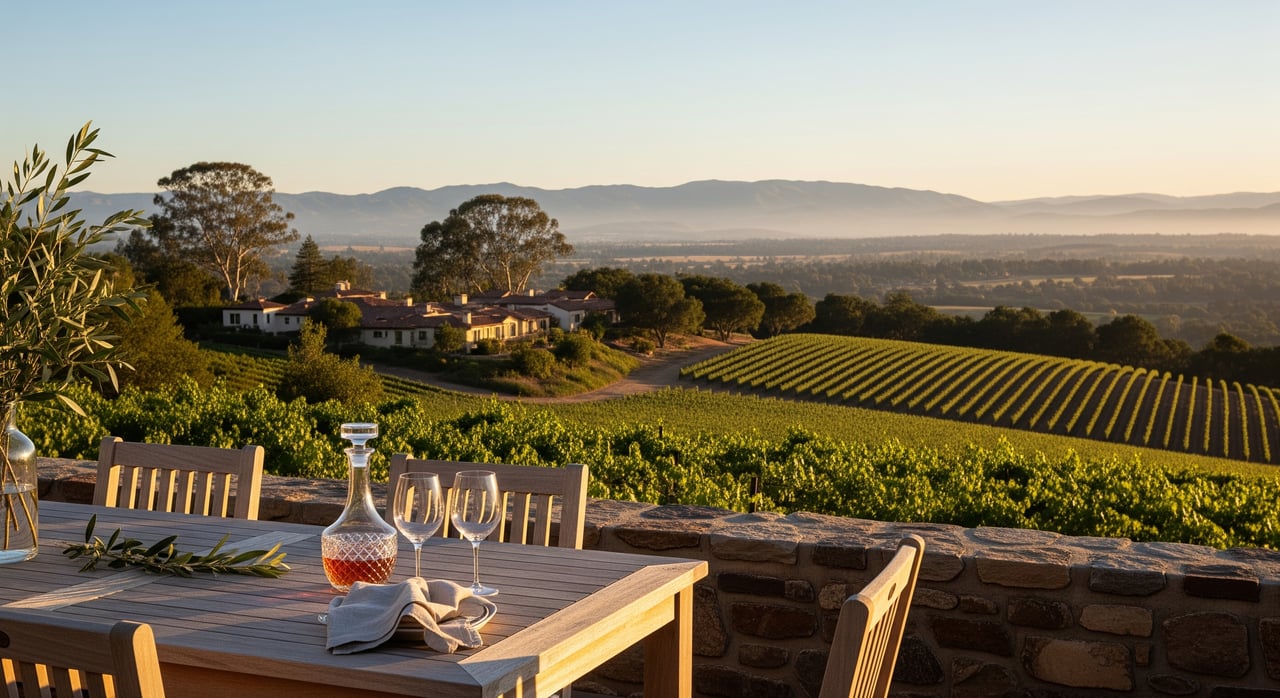
Thinking about planting roots in Santa Rosa? You want that Wine Country lifestyle without giving up everyday convenience, and you need a clear picture before you commit. In this guide, you’ll learn how Santa Rosa lives day to day: neighborhoods, commute, parks, schools, fire readiness, and what to expect from the local housing market. Let’s dive in.
Santa Rosa at a glance
Santa Rosa is Sonoma County’s largest city, about 55 to 60 miles north of San Francisco along US‑101. The climate is Mediterranean with warm, dry summers and cool, wet winters. You’ll feel classic wine-country patterns: sunny afternoons with cooler evenings. The local economy blends health care, county government, education, retail, tourism, and wine and agriculture.
You’ll find more space than many Bay Area cities, yet still have regional amenities close by. Santa Rosa serves as a hub for shopping, medical care, and civic services in Sonoma County. Many buyers consider it a value alternative to Marin or San Francisco, while still staying connected to North Bay job centers.
Neighborhood snapshots
Downtown & Railroad Square
Downtown is the city’s historic core with restaurants, theaters, and events around Old Courthouse Square. Railroad Square offers brick warehouses turned into shops and nightlife. Housing includes condos, townhomes, and vintage cottages on nearby streets. It suits you if you want walkable living with arts and dining close by.
Bennett Valley & Rincon Valley
These areas are known for suburban streets, parks, and access to schools. Bennett Valley sits closer to the city center. Rincon Valley stretches northeast and includes newer subdivisions and the Skyhawk area. Expect mostly single‑family homes and yards across a range of price points based on lot size and updates.
Fountaingrove & foothills
Set in the eastern foothills, Fountaingrove features planned developments, views, and newer construction. Parts of the area were rebuilt after the 2017 Tubbs Fire, so many homes have modern codes and materials. You’ll see larger homes and some gated or view‑oriented streets. Elevation often means vistas and a quieter feel.
West End & SRJC area
Near Santa Rosa Junior College and Howarth Park, this side of town mixes older, established neighborhoods with newer infill. You’ll find single‑family homes, some multifamily, and easy access to parks and city services. It is convenient if you value quick trips to schools, shopping, and downtown.
Roseland
Roseland has a strong local community and a mix of housing types. It has historically offered more entry‑level options and is seeing ongoing investment and redevelopment. You’ll find single‑family homes and multifamily properties that appeal to first‑time buyers and investors.
Airport, Westside, and nearby
Near the Sonoma County Airport, you’ll see a blend of light industrial areas and residential pockets. Subdivisions vary from newer tracts to older homes. Proximity to US‑101 makes regional access straightforward.
Getting around the North Bay
US‑101 is the main north‑south route, with CA‑12 and CA‑116 connecting to Sonoma Valley, Napa, and the Russian River. A commute to San Francisco can exceed 1 to 1.5 hours depending on traffic. For rail, the SMART commuter rail connects Santa Rosa to Marin and the Larkspur ferry link. Local and regional buses, including Sonoma County Transit, fill in routes within the county and beyond.
For air travel, Sonoma County Airport offers regional flights. Larger airports like SFO and OAK are typically used for broader national or international trips. Many residents work locally or elsewhere in Sonoma County; some commute to Marin or the wider Bay Area.
Parks and outdoor life
If you love the outdoors, you’ll have plenty of options. Spring Lake, Annadel, and Taylor Mountain offer miles of trails for hiking, running, and mountain biking. Start with Sonoma County Regional Parks to explore Spring Lake and Taylor Mountain. Within the city, City of Santa Rosa Parks & Recreation manages neighborhood parks and Howarth Park’s family‑friendly amenities.
The Wine Country lifestyle is close at hand. You can be at tasting rooms in minutes and reach Sonoma Valley, the Russian River, and Alexander Valley with short drives. Cycling culture is strong, and weekends often mean a trail run or a farm‑to‑table lunch.
Arts, culture, and events
Santa Rosa pairs small‑city convenience with a lively arts and events calendar. Explore the Charles M. Schulz Museum, the Sonoma County Museum, and historic Luther Burbank Home & Gardens. The Sonoma County Fairgrounds hosts festivals, concerts, and the county fair. Downtown and Railroad Square feature theaters, music venues, farmers markets, and a growing dining scene.
Schools and learning
Public K‑12 schools are primarily served by Santa Rosa City Schools, with other districts serving some neighborhoods. Boundaries and enrollment policies can change, so verify attendance zones directly with the district. Private and charter options exist across the city and county. For higher education, Santa Rosa Junior College is a major local resource, and Sonoma State University is a short drive away.
When evaluating homes, consider proximity to parks and your preferred schools. If a specific program matters to you, confirm details with the district before making property‑level decisions.
Wildfire readiness and resilience
Wildfire risk is part of life in the North Bay, particularly in foothill and wildland‑urban interface areas. The 2017 Tubbs Fire impacted neighborhoods such as Coffey Park and Fountaingrove and led to updated building codes and planning. Review resources from CAL FIRE and the Sonoma County Office of Emergency Services to understand defensible space, home hardening, and evacuation planning.
Buyers often evaluate roof materials, vent screens, clearance around structures, and insurance availability. Many properties rebuilt post‑2017 feature newer codes and materials. Sellers who invest in defensible‑space improvements and clearly document them can help buyers feel more confident.
Housing market feel and buyer/seller tips
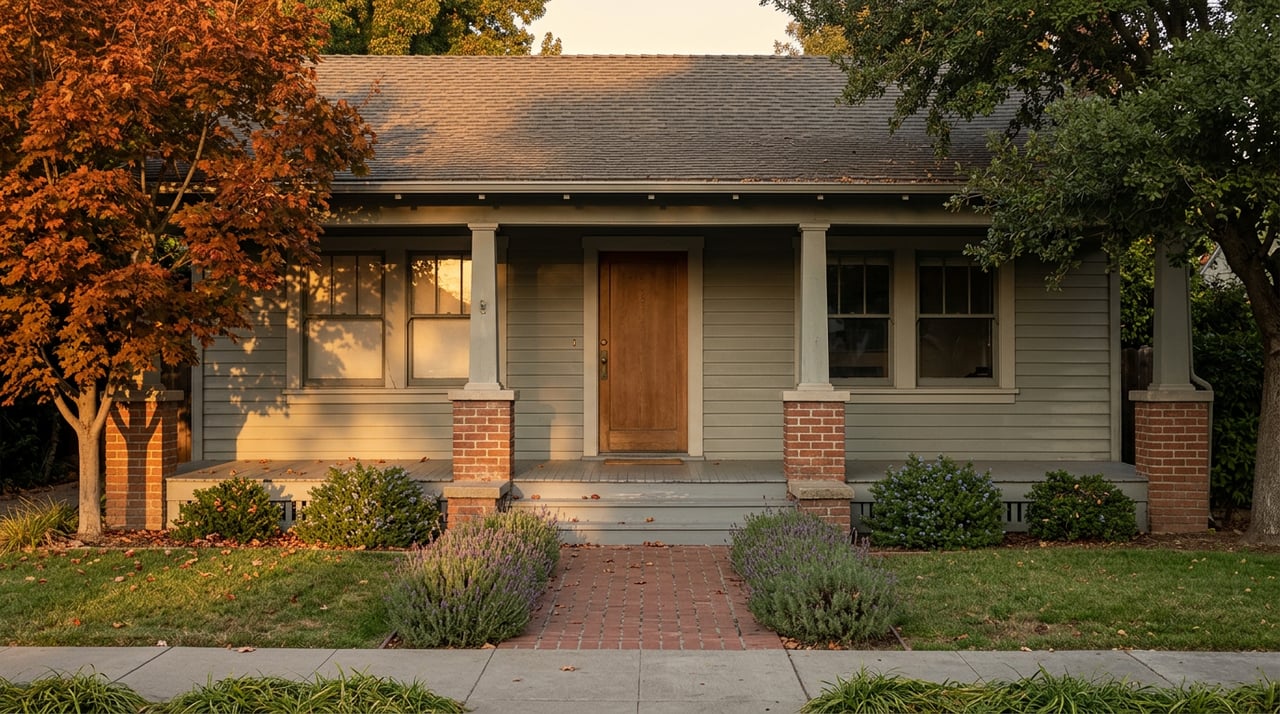
Santa Rosa offers a wide range of homes: historic cottages downtown, mid‑century tracts, and newer construction in planned communities. Prices are generally lower than Marin or San Francisco, while still higher than national averages. Inventory shifts with Bay Area cycles and local rebuilding activity.
If you are buying:
- Get preapproved and clarify your commute and lifestyle priorities early.
- Weigh neighborhood trade‑offs: walkability and transit versus yard size and views.
- In hillside areas, review fire‑safety features, insurance quotes, and evacuation routes.
If you are selling:
- Showcase outdoor living and easy access to parks and trails.
- Consider pre‑sale inspections and highlight any fire‑hardening or defensible‑space work.
- Homes near downtown amenities or popular parks often draw strong interest.
Lifestyle trade‑offs to expect
You gain more space, a slower pace, and strong access to outdoor recreation. You may rely on your car more outside central neighborhoods. Commuting to San Francisco is doable for some, though many residents work within Sonoma County or Marin. The day‑to‑day feel is friendly and practical, with weekend options that range from tasting rooms to trailheads.
Ready to explore homes in Santa Rosa?
When you are comparing neighborhoods or juggling timing with a sale elsewhere, steady guidance matters. If you want a calm, local approach to buying or selling in Sonoma County, let’s talk. Reach out to John Hendricks Real Estate to schedule a local market consultation.
FAQs
Is Santa Rosa a good commuter location for San Francisco work?
- It is possible but long for most drivers, often 1 to 1.5 hours or more; many residents work within Sonoma County or commute to Marin instead.
What are popular Santa Rosa neighborhoods near parks and schools?
- Bennett Valley, Rincon Valley, parts of the West End, and areas near established parks are often considered by many buyers; verify school boundaries with the district.
How significant is wildfire risk when buying in Santa Rosa?
- It is an important factor in foothill and wildland‑urban interface areas; assess defensible space, construction materials, insurance, and evacuation routes.
What outdoor activities can you access near Santa Rosa?
- You have quick access to regional parks for hiking, biking, and lake activities, plus a strong cycling culture and nearby Wine Country destinations.
How does Santa Rosa’s cost compare to Marin or San Francisco?
- Generally more affordable than Marin and San Francisco yet higher than national averages; pricing varies by neighborhood and market cycle.
What is SMART and how can you use it from Santa Rosa?
- SMART is the North Bay commuter rail that connects Santa Rosa stations to Marin with a link to the Larkspur ferry, useful for regional trips along the 101 corridor.