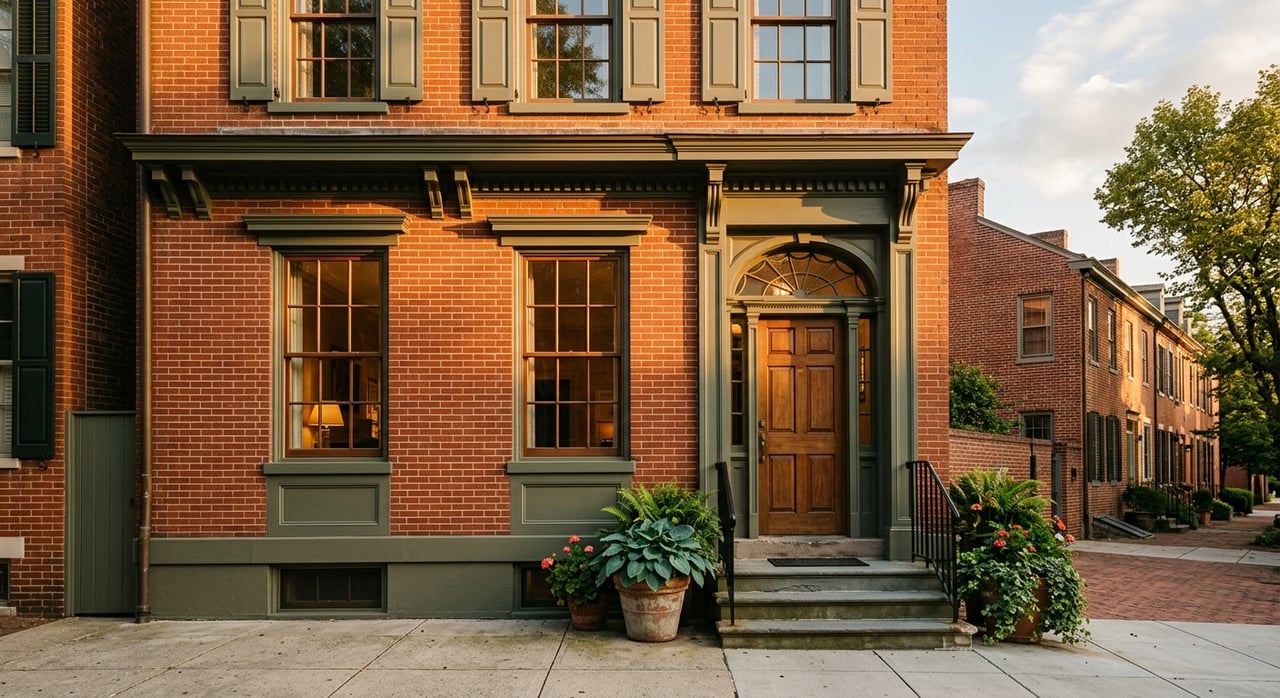
If you are drawn to places with real character, Historic Downtown Petaluma stands out fast. This is not a cookie-cutter neighborhood or a generic main street. It is a compact, walkable part of Petaluma where historic buildings, riverfront energy, and everyday convenience all come together, and understanding that mix can help you decide whether it fits your lifestyle and housing goals. Let’s dive in.
What Makes Historic Downtown Petaluma Distinct
Historic Downtown Petaluma sits within the Petaluma Historic Commercial District, which covers much of downtown and includes 96 contributing buildings across roughly 23 acres. The district was listed on the National Register of Historic Places in 1995, and many of its buildings date to before 1925.
That history is not just a backdrop. The district still includes a mix of residences, apartments, offices, and churches, which gives the area a lived-in, mixed-use feel that is different from a more purely residential neighborhood.
Petaluma itself was chartered in 1858, and its riverfront location helped it grow as a commercial and transportation hub during the Gold Rush era. By 1880, Petaluma was the largest shipping point for dairy products in California, and that working river-town past still shapes the identity of downtown today.
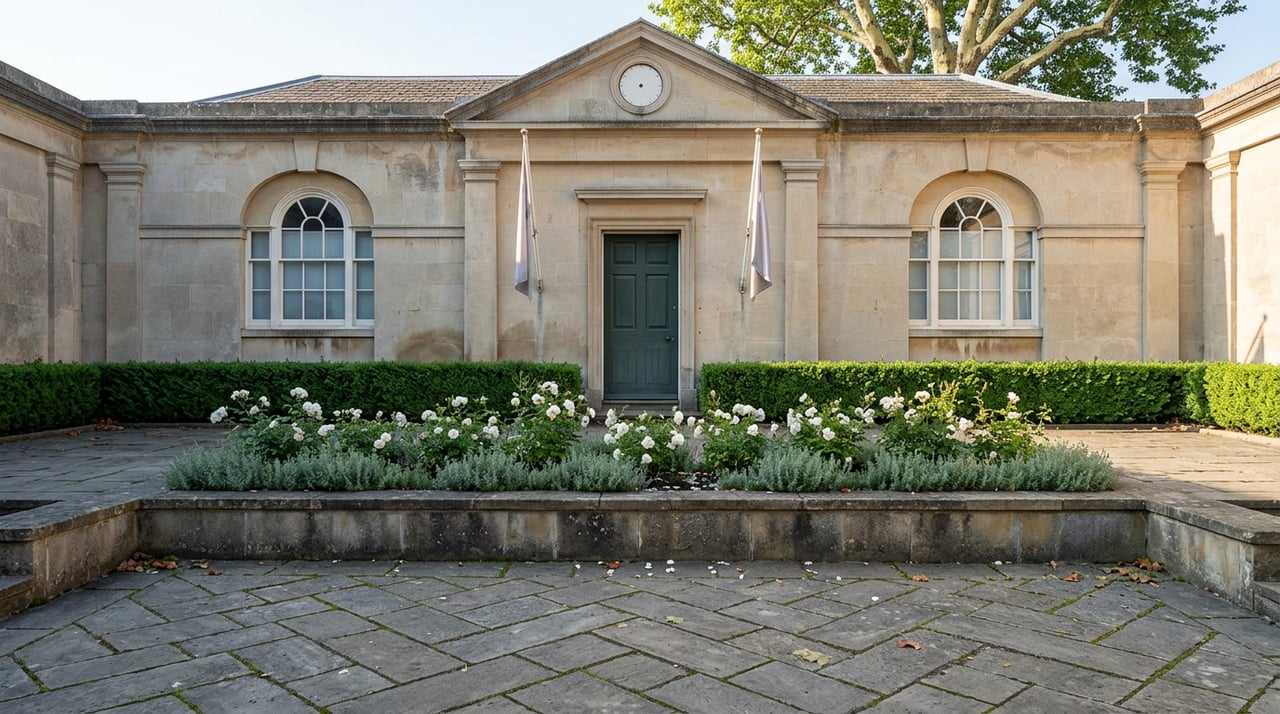
The visual character is a big part of the appeal. Downtown is known for preserved iron-front commercial buildings and early 20th-century civic architecture, and the work of architect Brainerd Jones helped define much of the city’s look, from Victorian homes and Arts & Crafts bungalows to major civic buildings.
Downtown Lifestyle: Walkable and Active
For many buyers, the biggest draw is how easy it is to enjoy daily life on foot. Downtown Petaluma is described as a 15-city-block shopping district that stretches from the riverfront to Keller Street, with well-known areas like Kentucky Street, Petaluma Boulevard, American Alley, Foundry Wharf, and Fourth Street.
That layout supports a lifestyle where errands, dining, browsing, and casual outings can happen in one compact area. If you like the idea of stepping out your door and walking to coffee, dinner, shops, or live entertainment, downtown Petaluma offers that kind of rhythm.
Shopping is a meaningful part of the neighborhood experience. The downtown area includes dozens of one-of-a-kind shops, boutiques, galleries, and antique stores, and the Theatre District adds another layer of activity with boutiques, restaurants, and seasonal outdoor concerts.
Dining is also broader than many people expect from a small historic core. You will find bakeries, pizzerias, brewpubs, seafood, steakhouses, and international fare, often set in historic storefronts or near the riverfront.
Public Spaces and the Riverfront Feel
Downtown living here is not only about stores and restaurants. Small public spaces help give the area a strong sense of place and create natural spots to gather, pause, or enjoy local events.
Walnut Park sits in the heart of downtown and hosts a seasonal Saturday farmers market from May through November. Historic Chinatown Park, located between the Mystic Theatre and Petaluma Boulevard, was renamed in 2025 to recognize the contributions of Chinese immigrants and their families.
The Petaluma River remains a daily part of downtown life as well. Today, it serves as a recreational asset for kayakers, paddleboarders, bird watchers, and boaters, which helps explain why the waterfront atmosphere still feels central to the area.
The city’s Active Transportation Plan reinforces that everyday lifestyle. Petaluma’s planning vision supports walking, biking, and rolling as part of daily life, which aligns well with the more car-light feel many people associate with downtown.
Housing Types Near Downtown Petaluma
If you are home shopping here, it helps to know that Historic Downtown Petaluma is not mainly a detached suburban housing environment. The housing stock in and around downtown is better understood as a mixed-use, historic-urban setting with residences and apartments in the commercial district and more concentrated historic residential pockets nearby.
The adjacent Oakhill-Brewster and A Street historic districts are where you are more likely to see a stronger concentration of historic single-family homes and smaller-scale residential buildings near downtown. These nearby areas are a big part of what buyers often picture when they think about classic Petaluma charm.
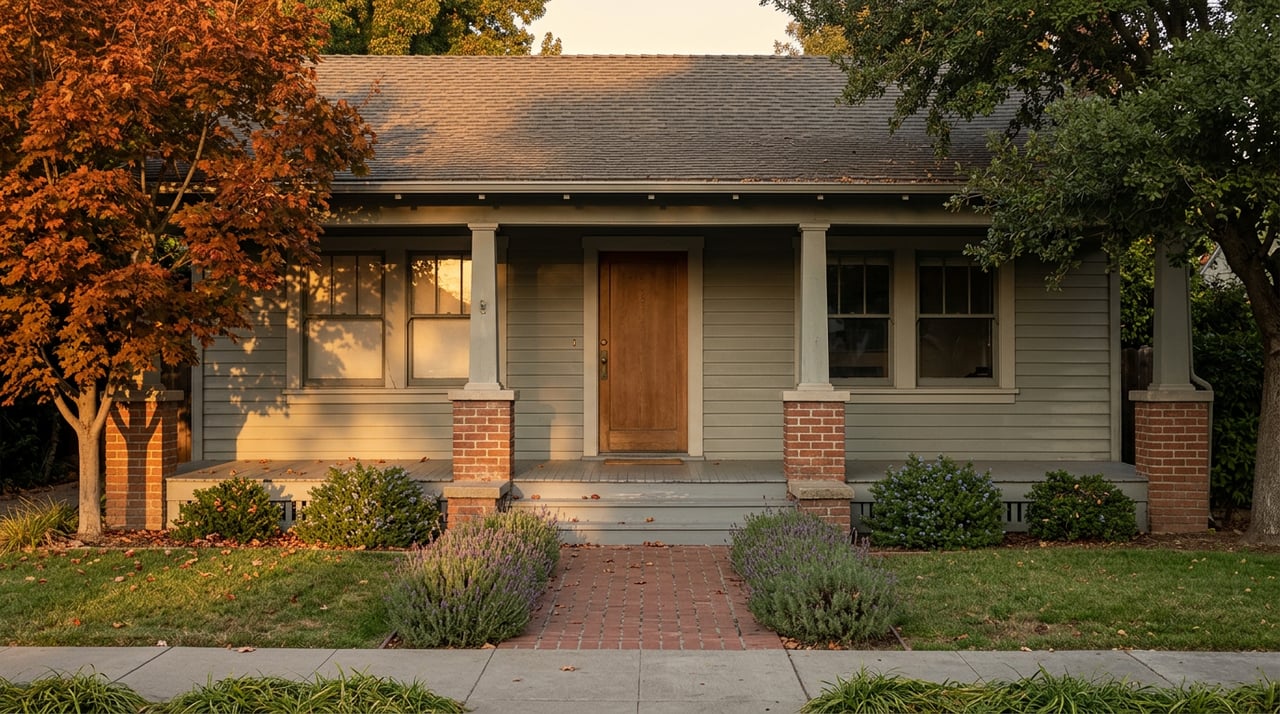
Common architectural styles in and around downtown include Victorian, Victorian Stick, Queen Anne, Colonial Revival, Spanish Revival, and Arts & Crafts bungalow. Tree-lined residential streets bordering downtown showcase many of these home styles.
This means your options can vary quite a bit depending on the exact block or district. Some buyers are looking for an apartment or condo with easy access to downtown amenities, while others want a historic single-family home nearby that still keeps the downtown core close at hand.
What Buyers Should Know About Historic Homes
Historic character can be a real advantage, but it also comes with responsibilities. In Petaluma’s historic districts, exterior work generally requires city review, and Historic SPAR permits are required for projects in historic districts or on city landmarks.
That matters if you are planning changes to a facade, exterior materials, windows, or other visible features. The city notes that Historic SPAR permits can take a minimum of six months to process, so buyers should factor that timeline into any renovation plans.
This does not mean historic ownership is a bad fit. It simply means you should go in with clear expectations about preservation rules, review timelines, and the balance between character and flexibility.
Parking and Getting Around
Parking is one of the practical tradeoffs to understand before buying downtown. The city says most downtown street parking is limited to two hours Monday through Saturday from 8 a.m. to 6 p.m., although garages and lots are available for longer stays, and some employee permits are offered in certain areas.
For some buyers, that setup feels completely manageable because so much is nearby. For others, especially if off-street parking is a top priority, it may be an important point to weigh carefully.
Transit access is a real strength for a downtown of this size. The SMART Petaluma Downtown station sits next to the Petaluma Transit Mall and is served by Golden Gate Transit, Sonoma County Transit, Petaluma Transit, and the free LumaGo shuttle.
Bike racks, bike lockers, and Redwood Bikeshare are also available. If you value options beyond driving, downtown Petaluma offers more transportation flexibility than many small historic districts.
Who Historic Downtown Petaluma Fits Best
This area tends to appeal most to buyers who value character, walkability, and a small-town urban feel. If you prefer preserved architecture, local businesses, and a lifestyle centered on being close to restaurants, shopping, parks, and transit, downtown Petaluma may feel like a natural fit.
It can also make sense for downsizers, second-home buyers, or anyone who wants daily convenience in a compact setting. The tradeoff is that you may give up some of the features commonly found in newer suburban neighborhoods, such as larger lots, newer construction, or easy, abundant off-street parking.
In other words, this is often less about square footage and more about experience. Buyers who love Historic Downtown Petaluma usually respond to its sense of place, not just the specifications of a property.
Tips for Buying Near Downtown
If you are considering a move here, it helps to look at the area through both a lifestyle lens and a property lens.
Here are a few smart questions to ask as you narrow your search:
- Do you want to live inside the downtown core, or just close enough to walk there easily?
- Are you comfortable with a mixed-use setting that may include shops, restaurants, and offices nearby?
- Is historic architecture a major plus for you, even if it comes with design review for exterior changes?
- How important are off-street parking, storage, and larger outdoor space?
- Would transit access, riverfront access, and a walkable daily routine improve your quality of life?
Those answers can help you separate a home you admire from a home that truly fits how you want to live.
Why Local Guidance Matters Here
Historic downtown markets can be nuanced. Block-by-block differences, preservation considerations, parking realities, and the mix of property types all matter when you are deciding where to buy or how to position a home for sale.
That is where local guidance can make the process feel much clearer. When you understand not just the listing, but also the district, nearby housing patterns, and the day-to-day rhythm of the area, you can make a more confident decision.
If you are thinking about buying or selling near downtown Petaluma, John Hendricks Real Estate offers calm, locally informed guidance to help you evaluate the right fit and move forward with confidence.
FAQs
What is Historic Downtown Petaluma known for?
- Historic Downtown Petaluma is known for its preserved historic commercial buildings, riverfront setting, walkable downtown core, local shopping and dining, and architecture that reflects the city’s pre-1925 development.
What types of homes are common near Historic Downtown Petaluma?
- Housing near Historic Downtown Petaluma includes residences and apartments in the commercial district, plus nearby historic single-family homes and small-scale residential buildings in adjacent districts such as Oakhill-Brewster and A Street.
Are there rules for renovating homes in Historic Downtown Petaluma?
- Yes. In Petaluma’s historic districts, exterior work generally requires city review, and Historic SPAR permits are required for projects in historic districts or on city landmarks.
Is Historic Downtown Petaluma walkable?
- Yes. Downtown Petaluma is a compact 15-city-block district that supports walking to shops, restaurants, public spaces, and entertainment.
How is parking in Historic Downtown Petaluma?
- Most downtown street parking is limited to two hours Monday through Saturday from 8 a.m. to 6 p.m., with garages and lots available for longer stays.
Does Historic Downtown Petaluma have public transit access?
- Yes. The SMART Petaluma Downtown station is next to the Petaluma Transit Mall and connects with Golden Gate Transit, Sonoma County Transit, Petaluma Transit, the free LumaGo shuttle, and bike facilities.