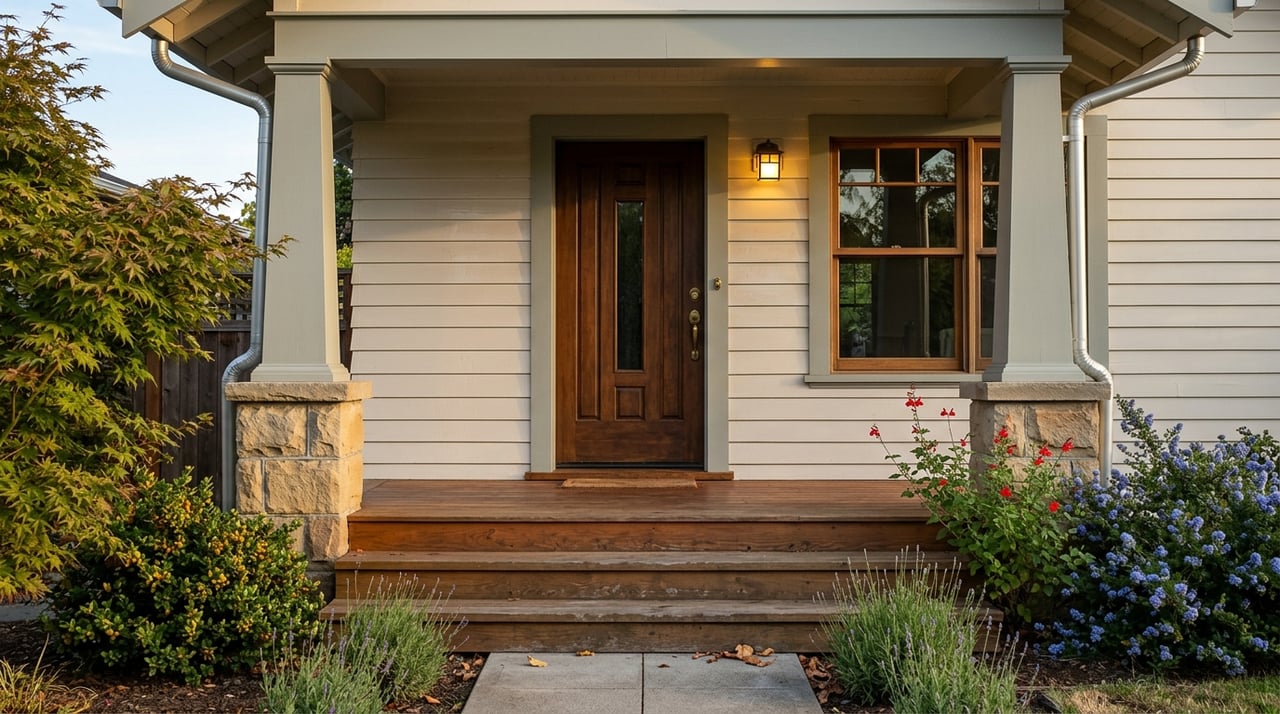
Wondering whether Petaluma’s classic older homes or its newer builds are the better fit for you? It is a smart question, because in Petaluma, the feel of a home is often tied closely to where it sits in the city and how it was built. If you are weighing charm, upkeep, remodeling flexibility, and day-to-day convenience, this guide will help you sort through the trade-offs so you can buy with more confidence. Let’s dive in.
Petaluma Offers Two Distinct Paths
Petaluma’s housing story is shaped by the Petaluma River, Highway 101, the SMART tracks, and the city’s urban growth boundary. City planning materials describe the older West Side around downtown and the southwest side of the river as the area most associated with historic homes and older neighborhood patterns.
The East Side, especially northeast of Highway 101, includes a larger concentration of newer development and planned unit neighborhoods. The city also notes that vacant land inside the urban growth boundary is limited, so much of Petaluma’s future growth is expected to come through infill near transit.
That means your choice is not just old versus new. It is also about what kind of setting, layout, and future project plans fit your life best.
Historic Petaluma Homes: What Stands Out
If you are drawn to historic charm, Petaluma gives you real depth. The city’s official historic districts include downtown commercial, Oakhill-Brewster, and A Street, each with a strong sense of architectural history and a wide range of building styles.
Downtown is a 96-building National Register district covering 23 acres. Oakhill-Brewster is one of Petaluma’s earliest residential neighborhoods, with homes and buildings from the 1850s through the 1980s. A Street includes residences, offices, churches, and apartments, with nearly all structures built before 1925.
In the residential areas west of downtown, the city’s historic resources report identifies styles such as Italianate, Carpenter Gothic, Queen Anne, Second Empire, Victorian cottages, Craftsman, Spanish Revival, Mediterranean Revival, Tudor Revival, Neoclassical, and Colonial Revival. For you as a buyer, that usually means more variety from block to block and a less standardized housing stock.
Why Buyers Love Older Homes
Many buyers choose older Petaluma homes because they want details that are hard to reproduce in newer construction. That can include original architecture, a layered street scene, and a home that feels visually distinct from its neighbors.
If you want a home with personality, the historic side of Petaluma may feel especially appealing. The city’s district descriptions support the idea that these areas offer a stronger sense of architectural variety and continuity with Petaluma’s past.
Newer Petaluma Homes: What To Expect
If your priority is a more planned environment, East Petaluma is often where that conversation starts. The city describes the east side as having a significant share of newer, car-oriented suburban planned unit developments.
For buyers, that can translate into a more uniform neighborhood pattern and a stronger focus on convenience-oriented access. While East Petaluma is not exclusively new, and the city notes there are some pockets of older workers’ housing there, the overall pattern is still more new-development oriented than on the west side.
Newer homes may appeal to you if you want a more straightforward ownership experience. They also tend to avoid the added preservation-related layers that can come with living in a designated historic district.
Why Buyers Choose Newer Builds
A newer build can make sense if you want a home that feels more turnkey or easier to update over time. In many cases, the appeal is less about historical character and more about practical ownership.
If you know you want to remodel, replace finishes, or make exterior changes down the road, a newer home may offer fewer review hurdles. That does not mean no permits are required, but it often means fewer preservation constraints.
The Real Trade-Off: Character Versus Flexibility
For many Petaluma buyers, this decision comes down to one big question: do you want more character, or do you want fewer renovation constraints? Historic homes often deliver more visual personality and individuality, while newer homes generally offer a more standardized planning pattern and less preservation-related friction.
Neither choice is better across the board. The right answer depends on how much maintenance, review time, and project complexity you are comfortable taking on in the first few years of ownership.
What Older Homes May Require
Older homes can be deeply rewarding, but they usually ask more from you as an owner. If you are considering a home built before 1978, renovation, repair, or painting that disturbs painted surfaces can create lead dust, and paid work must follow lead-safe practices.
Older homes may also have less efficient insulation, leaky windows or doors, older ducts, or aging heating systems. Those factors can shape your near-term budget, especially if you plan to improve comfort or energy performance after closing.
This does not mean every older home needs major work. It does mean you should go in with a realistic view of age-related maintenance and likely upgrade priorities.
Historic District Rules Matter
In Petaluma’s historic districts, exterior changes have additional requirements. The city says changes involving items such as paint and windows are subject to special rules and are reviewed for conformance with district guidelines and the Secretary of the Interior’s Standards.
The city also reviews demolition of structures built before 1945 under its policies. If your dream home includes a quick exterior remodel, it is important to know that historic review can affect both your timeline and your options.
Historic SPARs require special review and public noticing, and the city says they take a minimum of six months. That is a major point to factor in if you are buying with renovation plans already in mind.
What Newer Homes May Simplify
Newer homes usually are not subject to the same historic-district overlay. If you plan to make changes later, you still need to work through the city’s normal permit and plan-check process, but the path may be more predictable.
According to the city, some permits are available over the counter, while other projects can take weeks or months depending on scope. Projects in historic districts and subdivisions with five or more dwellings require SPAR review, so not every newer-home project will be simple, but preservation review is generally less central in newer areas.
If you value a smoother path for future improvements, this can be a real advantage. It is one reason many buyers lean toward newer housing when flexibility matters as much as style.
Do You Want In-City Or Rural Petaluma?
Some buyers are not really deciding between old and new. They are deciding between city living and a more rural setting.
If that sounds like you, the outlying Petaluma area deserves a separate look. Sonoma County’s Petaluma Dairy Belt Area Plan emphasizes preserving and enhancing agricultural resources, protecting the agricultural industry, preserving scenic beauty, accommodating rural lifestyles, and supporting transportation that moves agricultural products to market.
In practical terms, that means outlying areas can feel more landscape-driven and rural than either west-side historic neighborhoods or east-side subdivisions. If you want more land or a setting tied more closely to open space and agriculture, that may be a better fit than either in-town option.
A Simple Way To Narrow Your Choice
If you are still on the fence, try framing your decision around how you want to live in the first three years after you buy. That usually brings the right answer into focus faster than style alone.
Ask yourself:
- Do you want architectural variety and period details?
- Do you want fewer hurdles for exterior changes?
- Are you comfortable budgeting for older-home maintenance?
- Do you want a more planned subdivision setting?
- Do you want a more rural property experience outside the city?
- How quickly do you want to tackle remodeling projects?
Your answers can tell you a lot. In Petaluma, the best match is often the home that fits your tolerance for upkeep and your plans for future changes, not just the one with the best first impression.
What This Means For Your Search
Petaluma offers a wide range of housing stock. City housing-element data shows that 9.7% of housing units were built in 1939 or earlier, while 1.2% were built in 2014 or later, which is a useful reminder that both very old and fairly new homes are part of the local market.
That mix is part of what makes Petaluma appealing. You can find homes tied closely to the city’s historic identity, homes in newer planned settings, and properties in outlying areas shaped more by rural county priorities.
The key is knowing what trade-offs matter most to you before you start writing offers. A calm, informed search usually leads to a better long-term fit than chasing charm or convenience alone.
If you are comparing neighborhoods, weighing project plans, or trying to decide whether an older home or newer build fits your budget and goals, John Hendricks Real Estate can help you think it through with practical local guidance.
FAQs
What parts of Petaluma have more historic homes?
- The older West Side around downtown and the southwest side of the river are most associated with historic homes, and the city’s official historic districts include downtown, Oakhill-Brewster, and A Street.
What parts of Petaluma have more newer homes?
- East Petaluma, especially northeast of Highway 101, has a larger concentration of newer development and planned unit neighborhoods according to city planning materials.
What should buyers know about remodeling a historic home in Petaluma?
- In Petaluma historic districts, exterior changes such as paint and windows have special requirements, and Historic SPAR review includes public noticing and takes a minimum of six months according to the city.
What maintenance issues are more common in older Petaluma homes?
- Older homes may involve lead-safe renovation requirements for pre-1978 painted surfaces, and they may also have older insulation, windows, doors, ducts, or heating systems that affect upkeep and upgrade costs.
What if I want more land outside city neighborhoods in Petaluma?
- Outlying Petaluma areas are often shaped by county planning priorities focused on agriculture, scenic beauty, rural lifestyles, and transportation for agricultural uses, which can create a more rural setting than in-city neighborhoods.
Is East Petaluma only newer housing?
- No. The city’s historic resources report notes that East Petaluma still includes some pockets of older workers’ housing, even though the overall pattern is more new-development oriented than the west side.