Trying to decide between East and West Petaluma? You are not alone. Each side offers a distinct feel, different commute options, and a range of home styles and lot sizes. By the end of this guide, you will understand the key differences so you can focus your search with confidence. Let’s dive in.
Quick map: how Petaluma splits
U.S. 101 runs through Petaluma and effectively splits much of the city into two sides. The area northeast of 101 is commonly called the East Side, while downtown and the historic grid neighborhoods sit west and southwest of the Petaluma River. City planning materials use this shorthand to describe land use and neighborhood character. You can see that framing in the city’s planning brief for added context at the General Plan briefing book.
In practice, “West” often means walkable streets near downtown, riverfront amenities, and homes that range from Victorian-era to midcentury. “East” often means post‑1950 subdivisions, larger planned neighborhoods, shopping corridors, and proximity to the airport and sports fields. Both sides offer parks and local services, but day-to-day convenience, commute options, and lot sizes can feel very different.
Commute and transportation
Driving access
Petaluma sits about 40 miles north of San Francisco. US‑101 is the primary commuter route, and your distance to a 101 interchange can make a big difference in door‑to‑door time. Traffic varies a lot by time of day, so it is smart to test your drive during your real commute window. East‑side neighborhoods often sit closer to highway ramps, which can help if you drive daily.
SMART rail and ferry
Petaluma has two SMART train stations: Petaluma Downtown, which serves the west side and downtown core, and Petaluma North, which serves more of the north and east. Typical SMART runs from Petaluma to Larkspur take about 35 to 45 minutes, based on the SMART station info. From Larkspur, the Golden Gate Ferry to San Francisco usually takes about 30 to 40 minutes. Door‑to‑door, SMART plus ferry can total roughly 75 to 120 minutes depending on transfers and your last‑mile time. Always check the SMART schedules and fares and try the trip once during your target window.
Buses and transit hubs
Regional buses from Golden Gate Transit and Sonoma County Transit serve the transit mall near the downtown SMART station. That makes the west side convenient if you plan to use bus service often. East‑side neighborhoods typically have fewer direct express stops, so most residents either drive or plan around SMART for regional transit.
Sample commute scenarios
Approximate only. Test your own commute during your real time slot.
| Option | How it works | Typical total time | Best for | Notes |
|---|---|---|---|---|
| Drive via US‑101 | Direct drive to SF | Varies widely by traffic | Daily drivers | Time depends on on‑ramp proximity and congestion |
| SMART + Ferry | Train to Larkspur, ferry to SF | About 75–120 minutes | Car‑light lifestyle | Check SMART schedules; ferry timing sets total time |
| Bus to SF | Express bus from transit mall or Park & Ride | Varies by route and schedule | Flexible commuters | East‑side access may require a drive to a hub |
Schools 101: how to verify
School assignment in Petaluma depends on your exact address. Living on the East or West side does not guarantee a specific school. Petaluma City Schools publishes a boundary map and street‑lookup tool so you can confirm your assigned campuses by address. Start with the district’s Find Your School page.
For grades 7–12, the Petaluma Joint Union High School District serves the city, with two comprehensive public high schools: Petaluma High and Casa Grande High. Program offerings and metrics can differ, so review current data from official sources and parent‑rating sites. For example, you can see one overview at the Casa Grande High profile.
Here is a simple process to follow:
- Confirm your address‑to‑school assignment using the district boundary map or street lookup on the Find Your School page.
- Review school profiles, programs, and state dashboard metrics.
- Consider logistics such as walk, bike, or drive time to school.
- Ask the district about transfer or choice procedures if you have a preference outside your assigned school.
Housing and lot styles
West side homes and lots
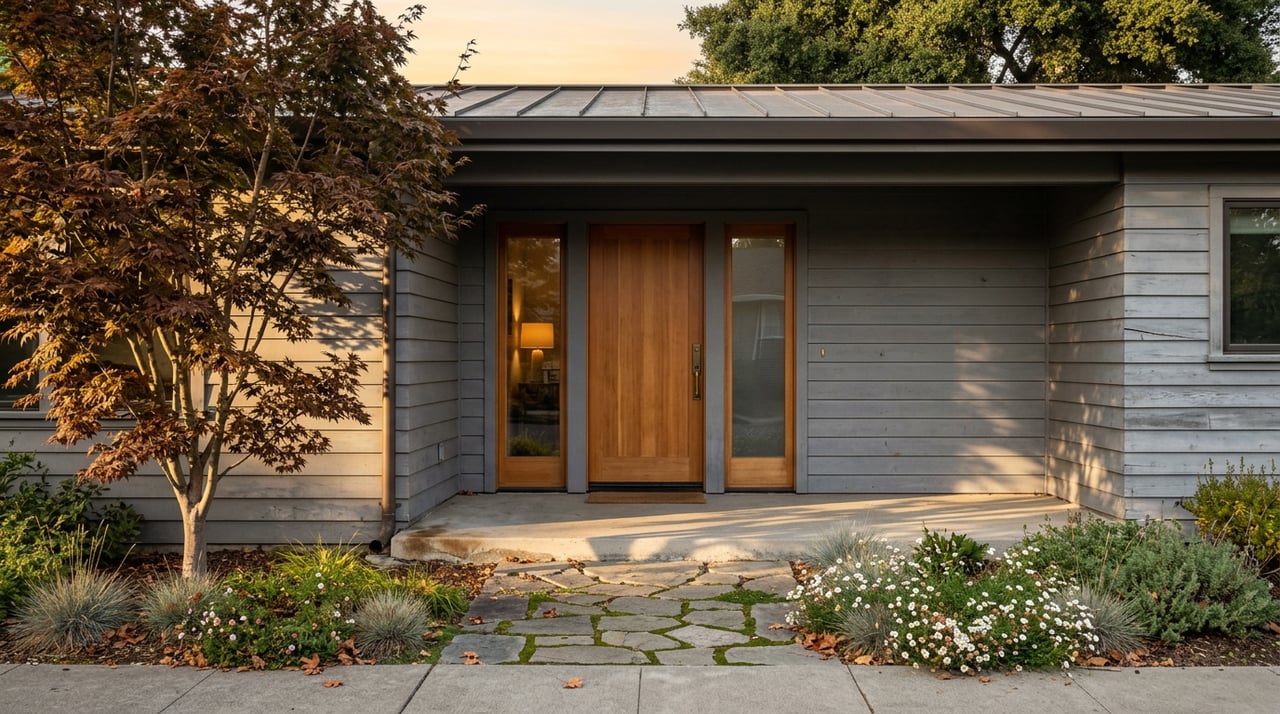
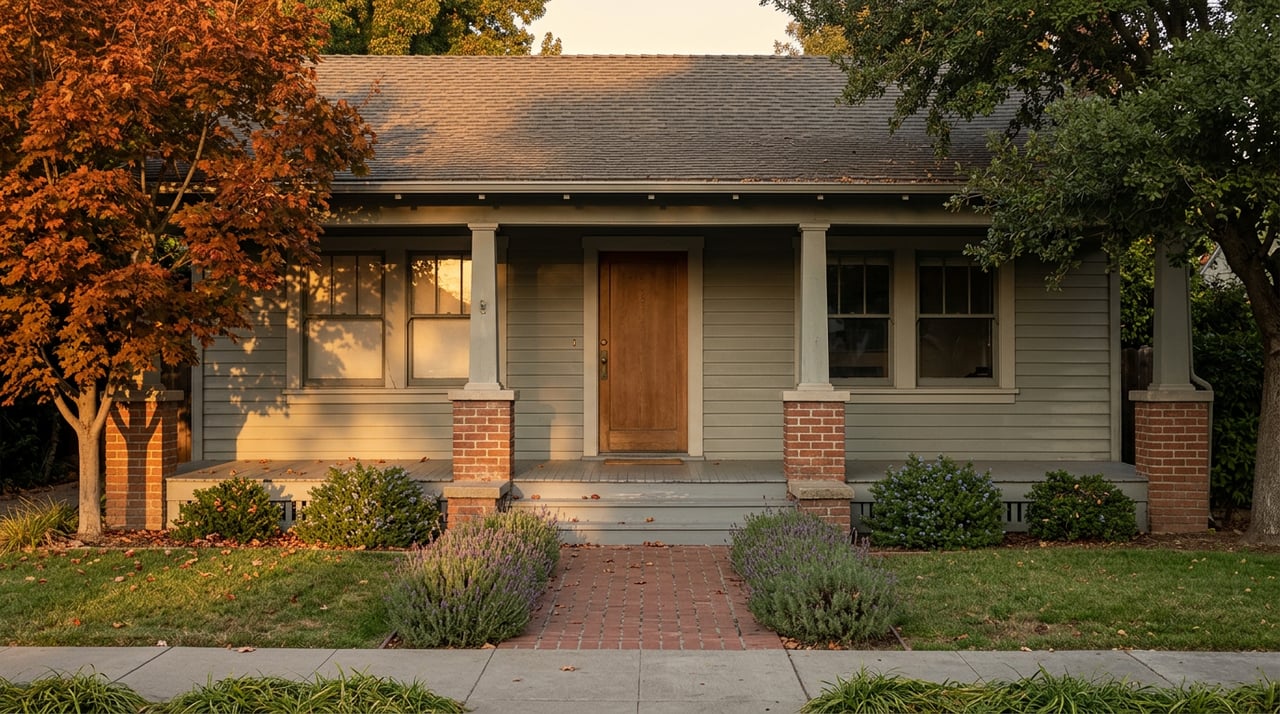
West Petaluma includes historic districts, early to mid‑20th‑century homes, and some newer infill near the riverfront. Many lots near downtown are modest in size, which helps create a walkable neighborhood pattern. You will often trade private yard space for convenience, character, and close access to dining, shops, and events. It is wise to plan for older‑home maintenance, and to check noise and parking at night and on weekends.
East side homes and lots
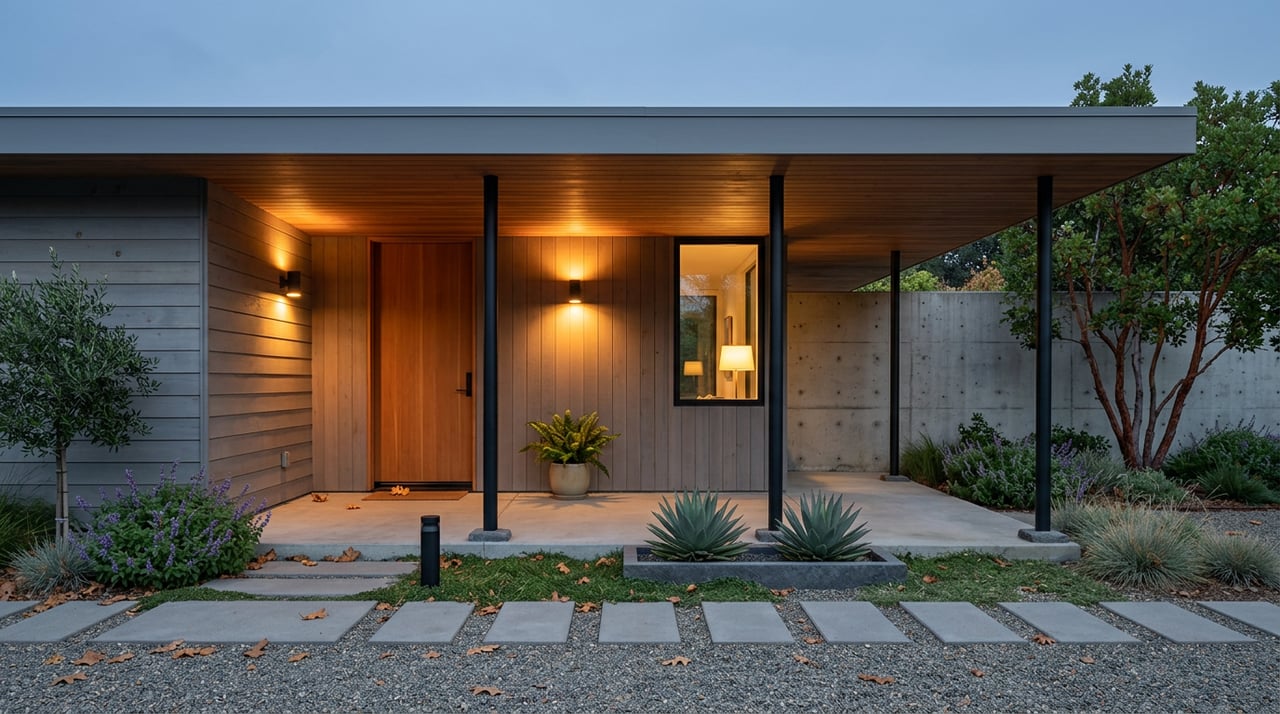
East Petaluma features a higher share of midcentury and newer planned subdivisions. Many neighborhoods offer larger private yards and more contemporary floor plans. You will also find hill and peripheral pockets where lots can reach a third to half an acre or more, depending on the subarea. This side can feel more car‑oriented, with easier access to 101 and growing connectivity around the Petaluma North SMART station.
Price patterns and what to budget
Vendors report different medians because they use different data and time frames. In early 2026, Redfin cited a citywide median around $785,000, Zillow showed a typical value near $873,000, and Realtor.com displayed a city median near $1.14 million for the late‑2025 period. Treat these as directional only. Your agent can pull recent closed sales in your target neighborhoods for more precise guidance.
A common pattern is that many west‑side and downtown‑adjacent neighborhoods command premiums due to walkability and historic character. Several east‑side subdivisions show lower medians in some vendor breakdowns, often trading a longer walk for more square footage or yard. By ZIP shorthand, 94952 has often trended higher than much of 94954, but pockets on both sides can outperform based on lot, condition, and location.
Lifestyle fit: which side suits you
Downtown‑lifestyle buyer
You want a morning coffee on foot, dinner in town, and events close by. The west side often fits that brief with historic architecture and riverfront access. Expect smaller lots and a lively scene, especially near downtown and the waterfront trails. Visit at different times to get a feel for parking and event energy, and preview the city’s visitor overview for the downtown scene at Visit Petaluma.
Suburban‑space buyer
You value a larger yard, nearby parks and fields, and newer floor plans. Many east‑side neighborhoods deliver that mix, often with simpler access to 101. If schools are a top priority, verify the exact address assignment, review programs, and plan your school drop‑off drive to see what daily life will feel like.
SF commuter buyer
You are weighing drive time versus transit. East‑side proximity to 101 ramps can help if you drive. If you prefer transit, map your routine to either the Downtown or North SMART station, and factor in the ferry leg if you work in San Francisco. Try the full SMART plus ferry trip once during your regular commute window to confirm the total time.
Buyer checklist for East vs. West
- Confirm your assigned schools by address on the district’s Find Your School page.
- Test your commute: drive during peak hours and try SMART plus ferry using the SMART schedules.
- Compare recent closed sales in your target micro‑areas. Vendor medians differ, so look at a range and use local MLS data for accuracy.
- If you are near the river or low‑lying areas, review floodplain and buffer policies in the city’s update and factor insurance into your budget. See the City of Petaluma community update.
- Walk the lot and outdoor spaces. Downtown lots may be smaller and more walkable. East‑side lots often offer more private yard.
Planning and projects to watch
The Petaluma North Station area and the McDowell corridor are in focus for a Specific Plan and the city’s broader General Plan update. These efforts could influence station‑area density, walkability, and future development on the east side. You can track planning documents and public meetings at Plan Petaluma.
SMART service adjustments and ferry schedule changes can also reshape commuter options over time. If transit is central to your decision, check for seasonal or long‑term updates before you buy.
The bottom line
If you want daily walkability and historic character, you will likely lean West Petaluma. If you want more yard space, newer homes, and quick access to 101, East Petaluma may be the better fit. Many buyers tour on both sides, then decide based on commute rhythm, school logistics, and how each street feels at different times of day.
When you are ready to compare specific neighborhoods, recent sales, and on‑market options, connect with a local advisor who knows the micro‑differences block by block. If you would like a calm, data‑guided process, reach out to John Hendricks Real Estate to schedule a local market consultation.
FAQs
What defines East vs. West Petaluma for home shoppers?
- U.S. 101 is a practical divider. Neighborhoods northeast of 101 are commonly called the East Side. Downtown and most historic grid neighborhoods sit west and southwest of the Petaluma River, as described in the city’s General Plan briefing book.
How long does a Petaluma to San Francisco commute take?
- Driving varies widely by traffic. SMART to Larkspur takes about 35–45 minutes, then the ferry adds about 30–40 minutes, for roughly 75–120 minutes total. Check SMART schedules and test your full route.
How do I check which Petaluma schools a home is assigned to?
- Use the district’s Find Your School page to look up your address. Then review school profiles and programs, and ask the district about transfer options.
Are West Petaluma homes more expensive than East Petaluma?
- Many west‑side and downtown‑adjacent neighborhoods command premiums for walkability and character. Several east‑side areas show lower medians in some vendor reports. Treat vendor medians as directional and rely on recent local closed sales.
Where can I find larger lots in Petaluma?
- You will see larger private yards in many east‑side subdivisions and in some hill or peripheral pockets on both sides. West‑side downtown areas more often have modest lots that trade yard space for walkability.