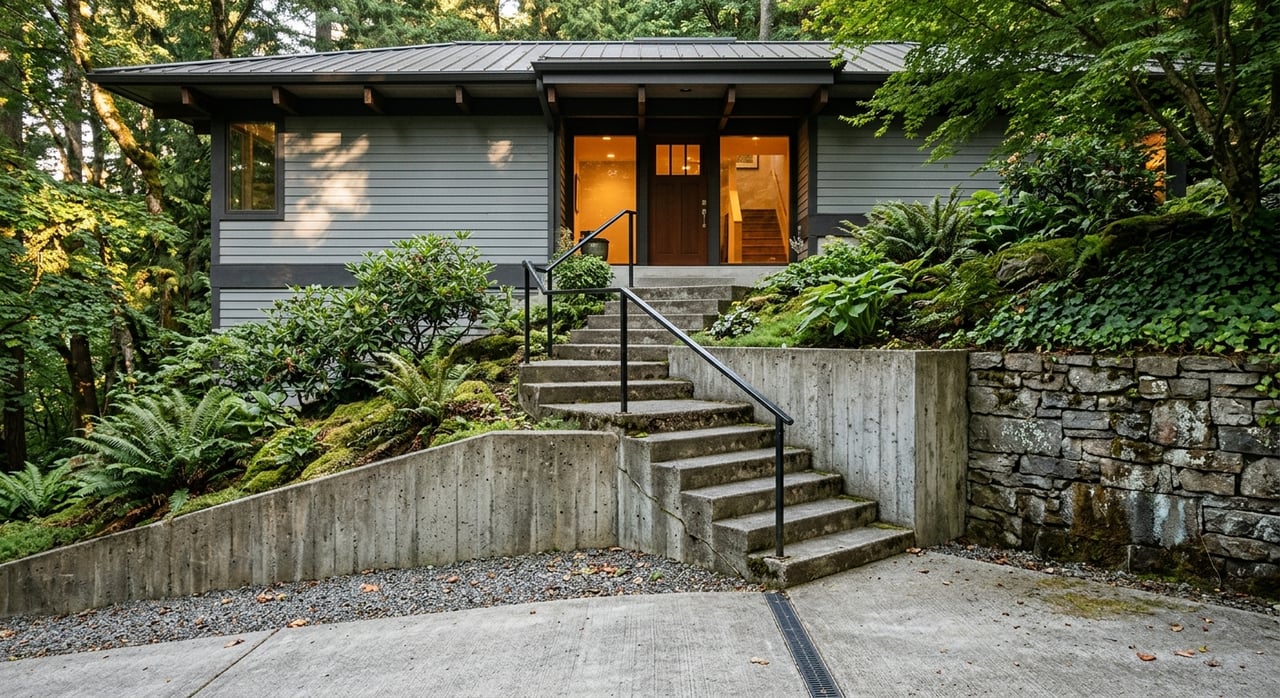
Wondering if that San Anselmo hillside home with the great view also comes with extra responsibilities? That is the right question to ask. Buying on a slope can be rewarding, but it often involves more site-specific factors than a typical flat-lot purchase. This guide will help you focus on the practical issues that matter most in San Anselmo so you can tour smarter, ask better questions, and move forward with more confidence. Let’s dive in.
Why San Anselmo Hillside Homes Need Extra Review
San Anselmo is shaped by small valleys, hillside slopes, and ridge tops, so topography is a big part of the housing picture. The Town’s general plan says many remaining undeveloped parcels are small, steep, remote, and difficult to develop. It also notes the town is about 95% built out from a housing standpoint.
That matters because hillside homes often come with conditions that are more property-specific than what you see on flatter lots. The Town also says lands at or above 150 feet above mean sea level warrant special design review consideration. In practical terms, that can mean more attention to site conditions, access, drainage, and how past improvements were handled.
The same local planning document notes that north-facing slopes are generally more heavily wooded than south-facing slopes. For you as a buyer, that can affect how much sun a property gets, how damp certain areas stay, and how much vegetation maintenance may be needed over time.
Access and Parking Matter Every Day
A hillside home has to work for daily life, not just for the showing. You want to know how easily you can pull in, turn around, unload groceries, welcome guests, and get out during wet weather. On many sloped lots, those basics deserve a closer look.
Ross Valley Fire says narrow streets, illegally parked cars, and overgrown vegetation can impede access and safe escape. It requires a clear access zone along roads and driveways with 14 feet of overhead clearance, 10 feet of side clearance, and 12 feet of unobstructed pavement. Address numbers also need to be visible from the road.
If a home depends on a long driveway, gate, or tight turning radius, do not assume it will be easy to live with just because it looks manageable on a sunny day. Ask how resident parking and guest parking work in real life. Also confirm how emergency vehicles would reach the house.
What to Check During a Tour
- Is the street narrow or difficult for two cars to pass?
- Does the driveway feel practical for daily use?
- Is there enough space to turn around safely?
- Do gates, landscaping, or parked cars limit access?
- Are address numbers clearly visible from the road?
Driveways and Flatwork Can Trigger Permits
On a hillside property, even a modest improvement can become more complicated than expected. San Anselmo says a building permit is required for most construction, demolition, repair, reconstruction, rehabilitation, alteration, addition, or improvement of a building or structure.
The Town also says walkways or driveways under 150 square feet placed on grade do not need a building permit. But new or replacement impervious surface over 150 square feet needs a flatwork permit, and projects over 500 square feet must implement bioretention. Retaining walls under 4 feet high, measured from footing to top and supporting only limited level dirt, are exempt.
This is one reason buyers should look past the current layout and think ahead. If you hope to add a parking pad, widen a driveway, or create more usable outdoor space later, local permit and drainage requirements may shape what is realistic.
Fire Exposure Is a Major Hillside Issue
Hillside ownership in this part of Marin often includes wildfire-related maintenance and planning. San Anselmo, Ross, Fairfax, and Sleepy Hollow have adopted the 2025 California Fire Code and the 2025 International Wildland-Urban Interface Code with amendments. Ross Valley Fire says WUI properties are typically at increased wildfire risk.
Marin County and Ross Valley Fire both provide hazard maps. Marin County’s fire hazard severity maps classify areas as moderate, high, and very high based on factors including fuel, slope, and fire weather. Ross Valley Fire also notes that these maps describe hazard rather than risk, which is an important distinction when you are evaluating a specific property.
Marin County says every homeowner must maintain 100 feet of defensible space around the home. Ross Valley Fire breaks that into zones:
- Zone 0: 0 to 5 feet, free of combustibles
- Zone 1: 5 to 30 feet, the home ignition zone
- Zone 2: 30 to 100 feet, or to the property line
Ross Valley Fire also says steeper slopes, drainage settings, or unusually dense vegetation can require more than 100 feet of clearance, in some cases up to 150 feet. That means maintenance obligations can vary a lot from one hillside parcel to another.
Fire Questions Worth Asking
- Is the property in the WUI or a Fire Hazard Severity Zone?
- How much vegetation clearing is currently required?
- Who handles ongoing tree and brush maintenance?
- Are roofs, gutters, decks, and firewood storage being maintained with defensible space in mind?
- Does the access route meet current clearance expectations?
Drainage and Landslide Concerns Deserve Close Attention
In Marin, slope stability and water movement are core hillside concerns. Marin County’s landslide hazards map identifies areas susceptible to landslide damage. San Anselmo’s general plan also says hillside development should minimize grading and disruption of natural contours and may be limited where geologic, soil, or hydrologic conditions make development impractical.
For buyers, this means you should pay close attention to signs that water or slope movement may be affecting the site. Cosmetic updates are easy to notice during a showing. Slope creep, retaining wall movement, erosion, water intrusion, and post-storm changes are often far more important.
San Anselmo’s stormwater guidance says sloped sites often work better when runoff from roofs and pavement is collected in catch basins and piped to downslope bioretention facilities. The Town also calls for stormwater management systems and operation-and-maintenance plans that reduce maintenance needs and failure risk.
Signs to Watch For
- Cracks in retaining walls, stairs, or hardscape
- Water staining near lower walls or garage areas
- Erosion channels on the downhill side of the lot
- Soil buildup or drainage problems near paved surfaces
- Evidence that roof runoff is not being directed properly
Outdoor Space May Be Less Usable Than It Looks
A hillside lot can look spacious on paper while offering less practical outdoor living space than you expect. Some areas may need to function as access routes, drainage corridors, or slope stabilization zones rather than patios, play areas, or gardens.
That is especially important if you are comparing hillside homes to flatter properties in other parts of Marin. The usable part of the lot may be much smaller than the total lot size suggests. A beautiful deck, terrace, or yard feature may also raise questions about permits, drainage design, and long-term maintenance.
The Town says no grading, excavation, or fill should take place during the rainy season unless specifically authorized. It also requires erosion and sediment controls to be in place by October 15 and remain effective until April 15. If you are planning future improvements, timing and site prep may matter more than you think.
Verify Permit History Before You Commit
Permit history is always important, but it becomes especially important on hillside parcels. Buyers should ask whether decks, terraces, drainage channels, retaining walls, yard improvements, driveway work, and additions were properly permitted.
A project that looks simple today may have involved grading, drainage changes, or structural work that needed approval. Verifying this early can help you avoid surprises after closing. It can also give you a more realistic picture of what future upgrades may involve.
The most useful third-party verification sources for San Anselmo hillside buyers are typically the Town of San Anselmo Building and Safety office, Ross Valley Fire Department prevention staff, and Marin County hazard maps. Those are the best places to confirm local rules and site considerations before removing contingencies or planning improvements.
A Smart Touring Checklist for Buyers
When you tour a hillside home in San Anselmo, try to stay focused on function as much as appearance. A well-staged property can still have access, drainage, or maintenance issues that are easy to miss during a short visit.
Use this checklist to guide your questions:
- Is the home in the WUI or a mapped fire hazard area?
- Does the driveway support practical daily parking and guest access?
- Is there a turnaround, gate issue, or other emergency access constraint?
- What site work was permitted, including retaining walls, drainage, driveway, deck, or grading?
- Are there visible signs of settlement, cracking, erosion, or water staining?
- How is roof runoff handled, and where does water flow downhill?
- How much of the lot requires defensible space maintenance?
- If you want to improve parking or build a terrace later, what local approvals may be needed?
- What ongoing budget should you expect for tree work, gutters, drainage, hardscape, and wall inspection?
Why Local Guidance Helps
Buying a hillside home is not just about finding a property you love. It is about understanding how the site works, what it may require over time, and whether it fits the way you want to live.
In San Anselmo, the details can be very specific to the lot. Two homes with similar square footage and price points can have very different realities when it comes to access, defensible space, drainage, and future improvement potential. That is why a patient, practical review process matters.
If you are considering a hillside home in San Anselmo or anywhere in Marin, working with a local advisor can help you ask the right questions early and evaluate tradeoffs with clearer eyes. For thoughtful guidance on Marin homes and neighborhood-specific buying strategy, connect with John Hendricks Real Estate.
FAQs
What should I look for when buying a hillside home in San Anselmo?
- Focus on access, parking, fire defensible space, drainage, slope stability, and permit history for any site improvements.
How do fire rules affect San Anselmo hillside homes?
- Local fire standards may affect vegetation clearance, driveway access, visible addressing, and ongoing defensible space maintenance around the home.
Do driveway or parking improvements in San Anselmo need permits?
- They can. The Town says new or replacement impervious surface over 150 square feet needs a flatwork permit, and larger projects may also require bioretention.
Why is drainage so important for a San Anselmo hillside property?
- On sloped lots, water runoff can affect erosion, retaining walls, paved areas, and long-term slope performance, so drainage design and maintenance are especially important.
Where can buyers verify hillside property concerns in San Anselmo?
- The Town of San Anselmo Building and Safety office, Ross Valley Fire Department prevention staff, and Marin County hazard maps are strong local sources for verification.